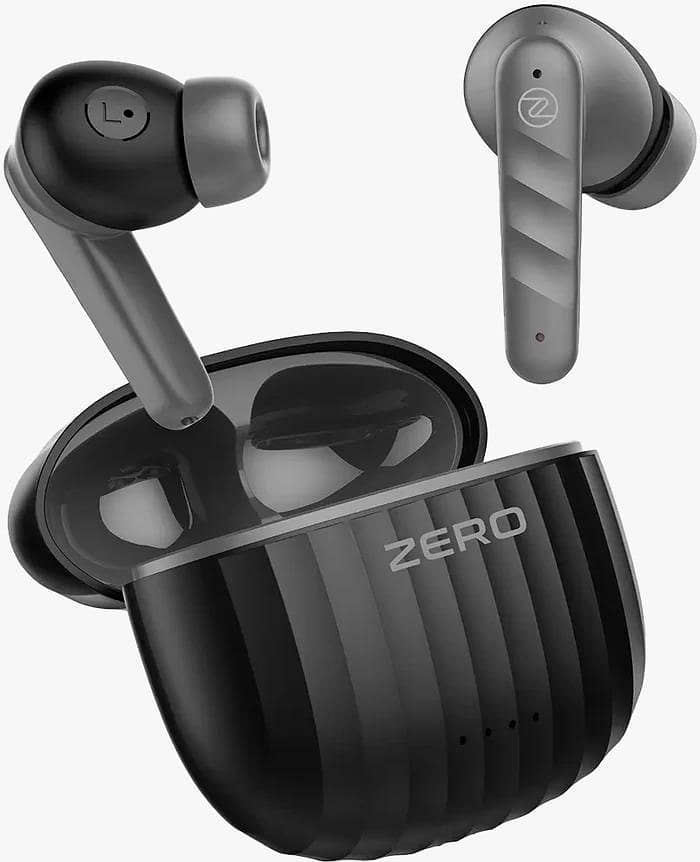
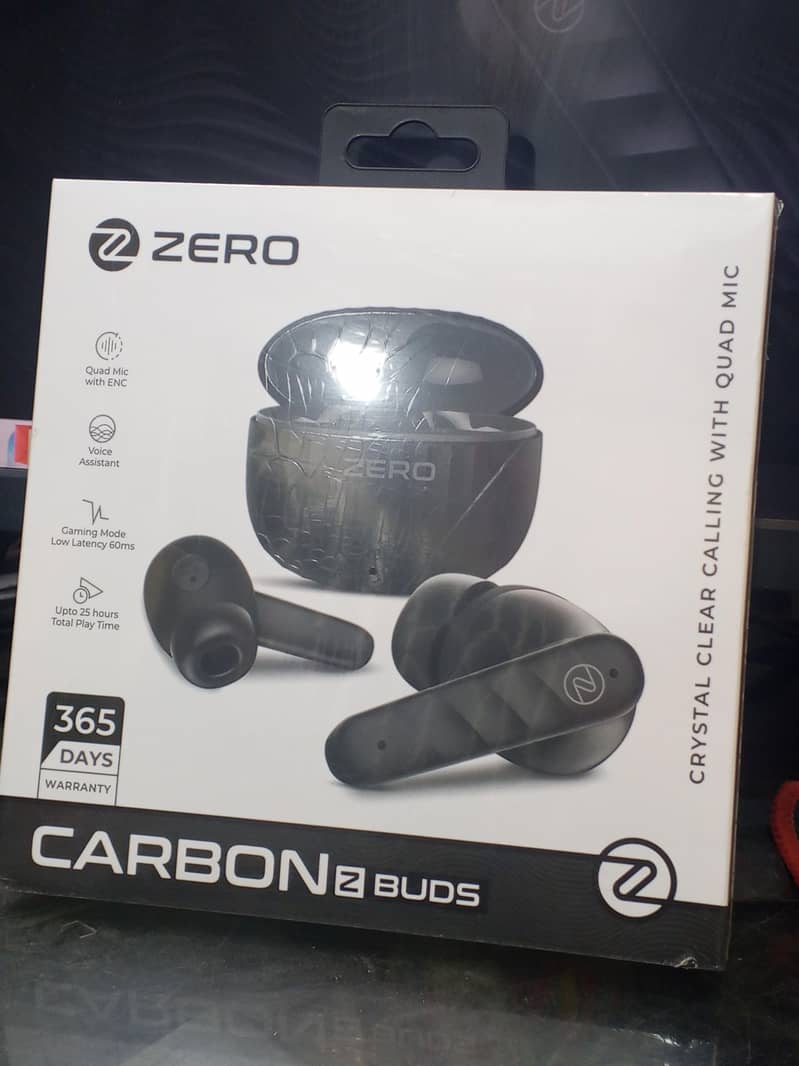
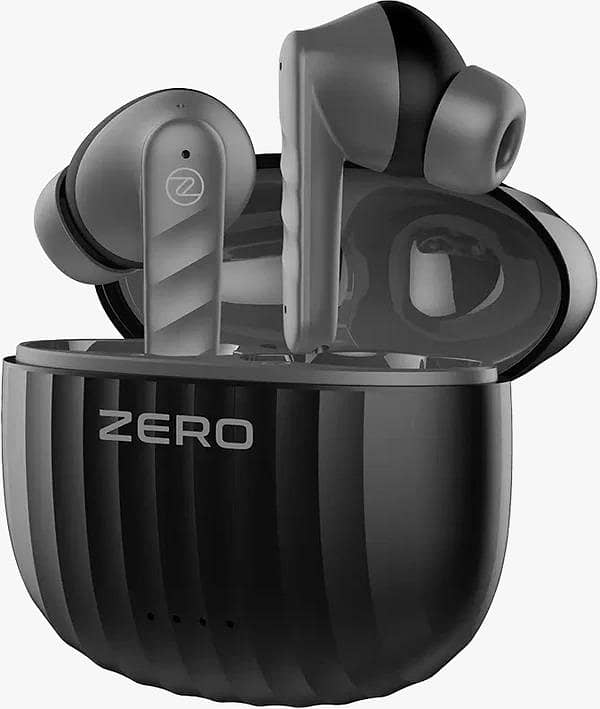
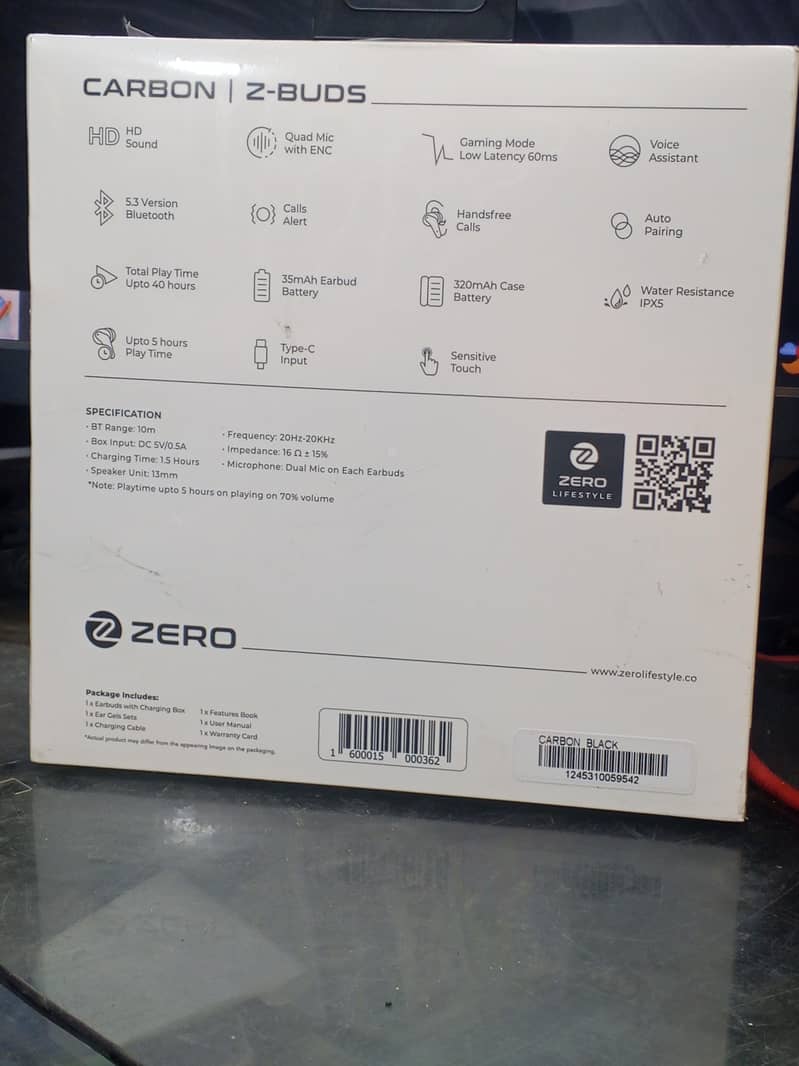
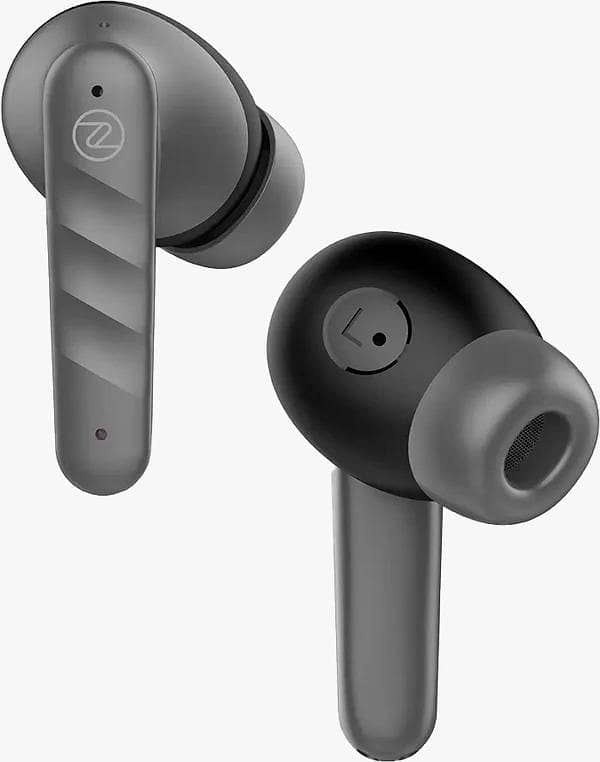
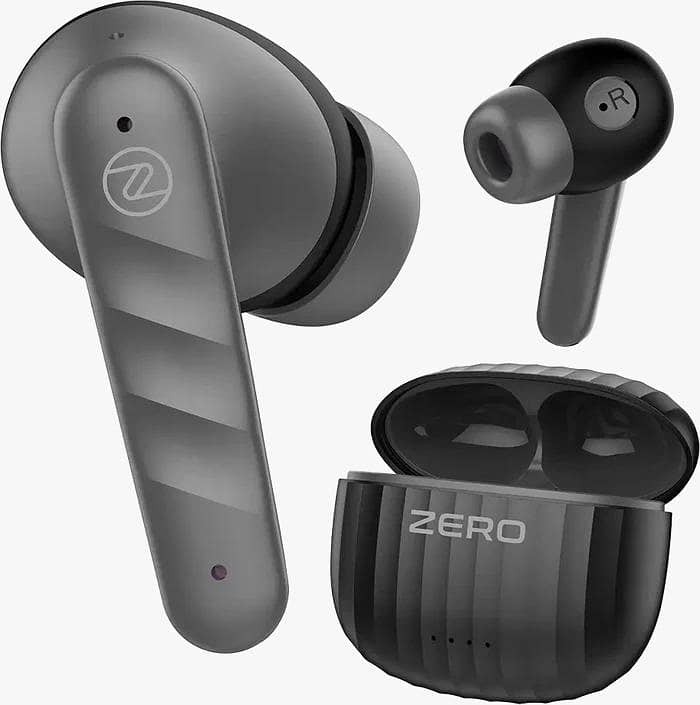
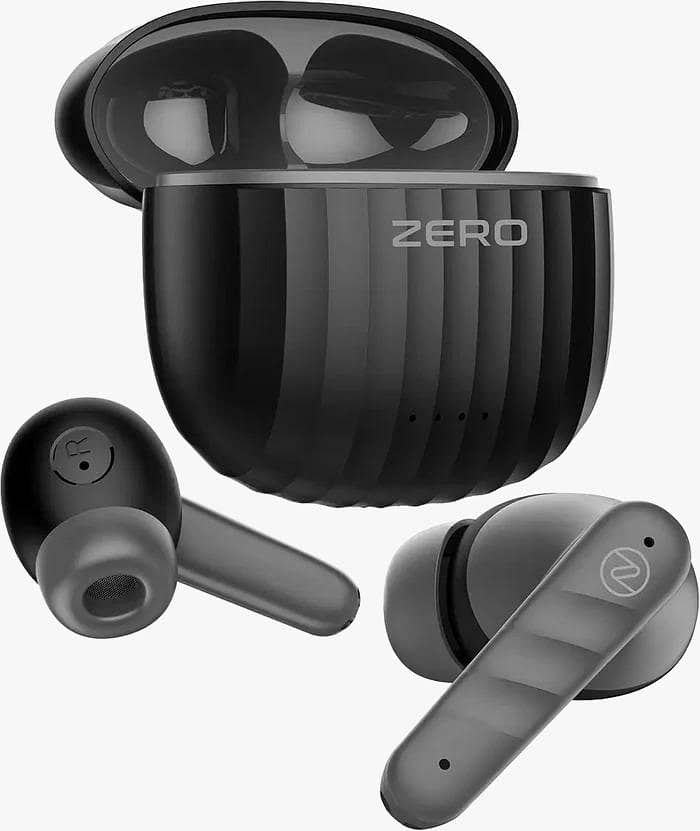
Loud Sound” usually is a marketing term: it implies the earbuds can produce high volume output — maybe with boosted bass or strong amplification. It signals power, perhaps louder-than-average output.
“Carbon Earbuds” is likely just a model or branding name. It doesn’t necessarily mean the earbuds use real carbon-fiber or advanced materials.
Combined, “Carbon Earbuds Loud Sound | ENC” is generally meant to suggest: “These are earbuds — branded/model name ‘Carbon’ — that provide loud audio out...
Loud Sound” usually is a marketing term: it implies the earbuds can produce high volume output — maybe with boosted bass or strong amplification. It signals power, perhaps louder-than-average output.
“Carbon Earbuds” is likely just a model or branding name. It doesn’t necessarily mean the earbuds use real carbon-fiber or advanced materials.
Combined, “Carbon Earbuds Loud Sound | ENC” is generally meant to suggest: “These are earbuds — branded/model name ‘Carbon’ — that provide loud audio output and have ENC for better call clarity. ”
Better call performance: clearer voice transmission to the person you call, even in noisy surroundings (traffic, fan noise, crowds).
Loud sound output: possibly decent volume for music or media (though “loud” doesn’t guarantee high fidelity or good audio balance).
What you cannot expect (unless explicitly advertised):
Noise cancelling for your listening experience (i. e. no guarantee that ambient noise will be blocked for you). ENC does not serve that purpose.
Premium sound quality or noise isolation — volume doesn’t equal fidelity, and if the earbuds are cheap/low-end, quality may suffer.
Real “noise-blocking” for music or concentration (that’s the role of Active Noise Cancellation, or good passive isolation.
Show More